
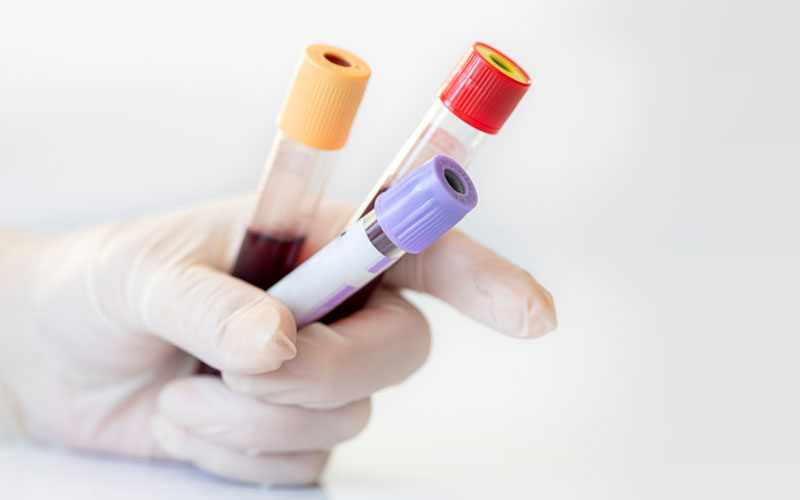
Blood testing is one of the most common tools in healthcare. Because blood circulates through the whole body, a small sample can reflect how different systems are working—from organ function to blood sugar to cell counts. According to the National Heart, Lung, and Blood Institute, blood tests help clinicians check for conditions, assess organ function, and see how treatments are working. They are powerful, but they are interpreted in context, not read as a verdict on their own.
What Is a Blood Test?
A blood test involves collecting a small sample of blood—usually from a vein in the arm, sometimes from a finger prick—and sending it to a laboratory for analysis. Depending on the test, the lab measures components such as blood cells, electrolytes, glucose, lipids, hormones, enzymes, or nutrients.
In the United States, labs that analyze human samples must be certified under the Clinical Laboratory Improvement Amendments (CLIA), a federal program that sets standards so results are accurate, reliable, and timely. That certification is part of why a result from a qualified lab can be trusted as a measurement—though a measurement still needs interpretation.
Results are compared against reference ranges, which show whether a value falls within typical limits. These ranges can vary slightly between laboratories, and a value outside the range is not automatically a problem. As MedlinePlus explains, a clinician interprets results alongside your age, medical history, medications, and symptoms—and a single test is only one tool used to understand your health.
Why Blood Tests Are Performed
Providers order blood tests for several reasons:
- To monitor overall health during a checkup
- To help evaluate symptoms you're experiencing
- To screen for specific conditions when there's a reason to
- To track a known condition or how a treatment is working
For example, a lipid panel relates to cardiovascular risk, while a hemoglobin A1C reflects average blood sugar over the past two to three months and is used to screen for and monitor diabetes. The right tests depend on your situation—not on measuring as many markers as possible.
Routine Testing—and the Limits of Testing "Everything"
Many basic panels (such as a complete blood count, a metabolic panel, and a lipid panel) are part of routine preventive care and help establish a baseline. Other tests are ordered when symptoms or risk factors make them useful.
More testing isn't always better, though. The U.S. Preventive Services Task Force, for instance, found insufficient evidence to recommend routine vitamin D screening in adults who have no symptoms. And the National Institutes of Health notes that testing healthy people broadly can produce false-positive results—values that look abnormal but aren't—which can lead to anxiety and additional procedures of uncertain value. Testing for a clear reason, and reviewing the results with a provider, tends to be more helpful than casting the widest possible net.
What to Do With Your Results
Understanding what a test measures can make appointments less stressful and conversations more productive. If a result falls outside the reference range, treat it as a prompt to follow up—not a diagnosis. Your provider can explain what the number means for you and whether confirmatory or follow-up testing is warranted.
If you're exploring where to get tested, TreatmentsWise offers service reviews and articles to help you understand your options. Whatever you choose, plan to review your results with a licensed healthcare provider.
Compare TreatmentsSources used for medical context
- NHLBI (NIH) for why blood tests are ordered and what they measure.
- MedlinePlus for how reference ranges are interpreted in context.
- USPSTF for caution about broad, unguided screening.
- CMS for CLIA laboratory certification.