
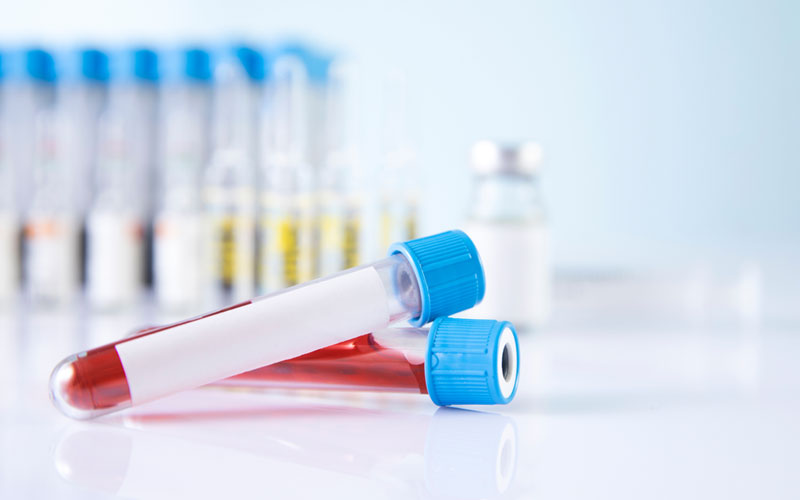
Not all blood tests do the same job. Each common panel measures a specific set of markers, and knowing what they're for helps you understand why a provider ordered one—or whether a consumer panel is testing things you actually need. Many of these tests are now available through at-home kits that mail a small sample to a laboratory, though the analysis itself still happens in a certified lab. Below is a plain-language guide to the panels you'll encounter most often.
Complete Blood Count (CBC)
A CBC measures the cells in your blood—red blood cells, white blood cells, and platelets—along with hemoglobin and hematocrit. MedlinePlus describes it as one of the most common blood tests, used in routine checkups and to monitor conditions such as anemia, infection, and certain blood disorders. Abnormal counts have many possible causes, so a CBC is a starting point for evaluation rather than a diagnosis on its own.
Metabolic Panels (BMP and CMP)
Metabolic panels measure chemicals in the plasma. A basic metabolic panel covers glucose, calcium, electrolytes, and markers of kidney function; a comprehensive metabolic panel adds liver enzymes and proteins for 14 substances in total. Together they give a picture of how organs like the kidneys and liver are working.
Some at-home services include basic metabolic markers in wellness panels. A few of these tests—such as fasting glucose—may ask you not to eat beforehand, so follow the preparation instructions to get reliable values.
Lipid Panel
A lipid panel measures total cholesterol, LDL ("bad") and HDL ("good") cholesterol, and triglycerides. These values relate to cardiovascular risk, and levels higher or lower than normal can signal a higher risk of heart disease, according to the NHLBI. Many lipid tests ask you to fast beforehand; at-home kits include instructions to guide preparation and collection.
Hemoglobin A1C
The A1C test reflects your average blood glucose over the past two to three months by measuring the percentage of hemoglobin coated with sugar. It's used to screen for and monitor diabetes—an A1C of 6.5% or higher on two separate tests indicates diabetes, while 5.7%–6.4% suggests prediabetes. Because it's an average, a provider may pair it with other tests to confirm a diagnosis.
Thyroid and Hormone Tests
A TSH (thyroid-stimulating hormone) test helps evaluate thyroid function: higher-than-normal levels often point to an underactive thyroid, and lower levels to an overactive one. Other panels measure reproductive or adrenal hormones. Hormone levels can vary—even by time of day—so MedlinePlus notes results are interpreted in context and sometimes require repeat or additional testing.
A Note on At-Home Testing
At-home kits expand access to many of these panels, which can support routine monitoring and proactive engagement with your health. They don't replace professional evaluation, though. The FDA emphasizes that consumer tests are not a substitute for a healthcare visit, and that results shouldn't be used to start, stop, or change treatment without a provider. Whichever panel you choose, plan to review the numbers with a clinician.
Compare TreatmentsSources used for medical context
- MedlinePlus for what a CBC measures.
- NHLBI (NIH) for metabolic and lipid panels.
- MedlinePlus for what the A1C test shows and its thresholds.
- MedlinePlus for how the TSH thyroid test is interpreted.