

Noom Review: The Behavior-First Program in a Medication-First Market
Noom built its name on a different bet than most of the companies in our chart: that the durable part of weight loss is behavioral, not pharmaceutical. The core product is an app-based program drawing on cognitive behavioral techniques — daily lessons, food logging, and coaching — rather than a prescription at checkout.
The company has since added a medical track that can connect eligible users with clinician-prescribed GLP-1 medication, which makes Noom one of the few programs offering both ends of the spectrum: psychology-first if you want it, medication-supported if you qualify and choose it. This review looks at how the two fit together and who each track actually serves.
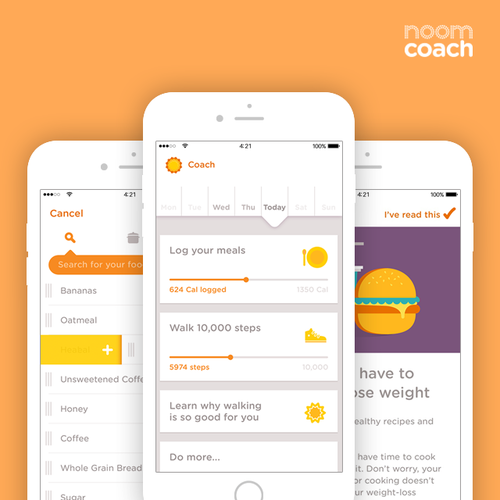
The daily experience is structured but lightweight: short psychology lessons, a color-coded food logging system, weight tracking, and access to coaching. The aim is to surface the patterns behind eating decisions and replace them gradually — the opposite philosophy of a crash plan. Whether that works for you depends heavily on whether you engage with the lessons; the app rewards consistency, not intensity.
How Does Noom Approach Weight Loss?
The program treats overeating as a pattern with causes — stress, schedule, habit loops, food environment — rather than a willpower failure. Daily lessons walk through those mechanisms in small pieces, and the logging system gives you data on your own behavior. It is honest to call this the slow lane: NIDDK's framing applies here too, since lifestyle change is the foundation that medication, if ever added, is meant to support rather than replace.
For users who qualify and want it, Noom's medical track adds clinician-prescribed GLP-1 medication on top of the behavioral program — structurally similar to how semaglutide and tirzepatide were actually studied, which was always alongside lifestyle intervention.
How Much Does It Cost?
The behavioral program is priced like an app subscription — entry rates advertised in the tens of dollars per month, often with a low-cost trial period, and cheaper on longer commitments. The medical track is a different budget category entirely: GLP-1 medication pricing applies on top, and Noom's chart listing advertises GLP-1 access starting around $79 without insurance. Check current pricing at signup, since promotional structures change frequently, and price the track you actually intend to use.
What Are Noom's Strengths?
The features that genuinely differentiate it from the medication-first programs in our chart:
- The skill-building survives the subscription — food awareness and habit tools remain after you cancel, unlike a prescription that stops working when it stops shipping.
- Logging and lessons live in one app, which keeps daily engagement realistic for busy schedules.
- Coaching and community features add accountability that solo medication programs simply do not have.
- No food delivery dependency — you eat from your own grocery store, which keeps costs visible and habits transferable.
- The optional medical track means escalating to clinician-reviewed GLP-1 treatment does not require switching platforms.
- For people not eligible for or not interested in medication, it is a complete program on its own rather than a consolation prize.
The Food Approach
There is no meal-kit subscription or banned-foods list. The system classifies foods by caloric density and asks you to shift the balance over time, using groceries you already buy. That design choice is deliberate: habits built on your own shopping cart and dinner table transfer to real life, which is where any program's results have to survive.
What Results Should You Expect?
Set expectations by track. Behavior-change programs produce slower, more modest average losses than GLP-1 medication — the honest trade-off for lower cost and no medication risks. The medical track changes that calculus: trial benchmarks for clinician-prescribed GLP-1s run from roughly 15% to 21% average body-weight reduction over 68 to 72 weeks alongside lifestyle support. Either way, plan in quarters and years, not weeks — and treat any timeline promise from any program with suspicion.
How Signup Works
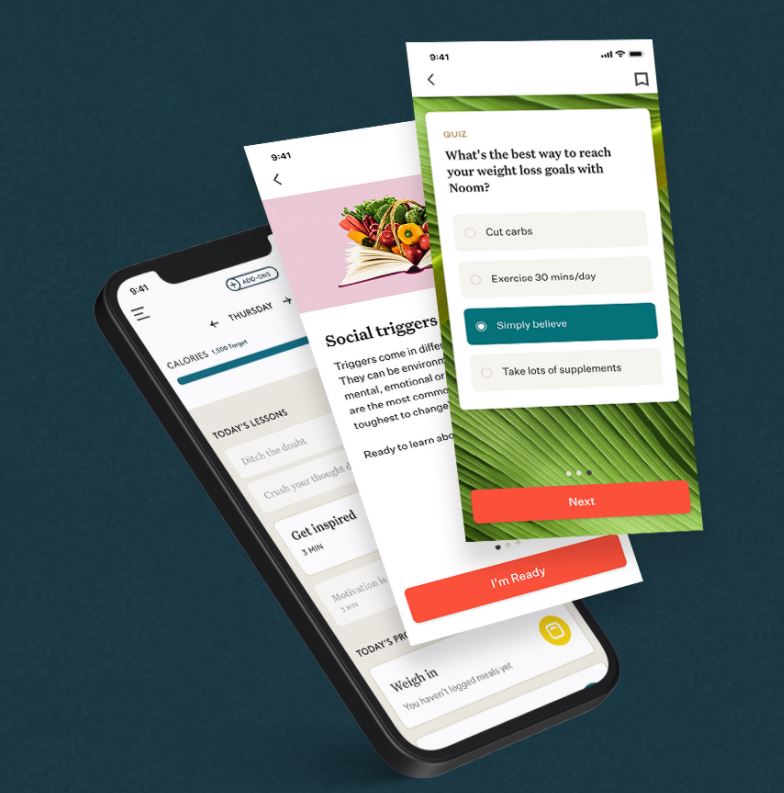
Onboarding runs through a long quiz covering goals, habits, schedule, and history, which the program uses to assemble your plan. Two practical notes before you start clicking:
- The projected goal-date graph shown at the end of the quiz is a marketing estimate, not a clinical forecast — treat it as motivation, not a deadline.
- Trial offers convert to auto-renewing subscriptions. Note the renewal price and date when you accept the trial, and calendar the cancellation deadline if you are undecided.
- If you want the medical track, expect a separate clinical intake — prescription decisions require a licensed clinician's review, not just the lifestyle quiz.
Bottom Line
Noom is the strongest pick in our chart for two readers: the person who wants to fix eating patterns without medication, and the person who wants medication with a real behavioral structure around it rather than a bare prescription. It is the weakest pick if you want maximum pharmaceutical effect at minimum monthly cost — the cash-pay GLP-1 specialists above it in the chart do that job more directly. Know which reader you are before you start the quiz.
Sources used for medical context
- NIDDK — Prescription Medications to Treat Overweight & Obesity for eligibility criteria and the FDA-approved weight-management medications.
- CDC/NCHS — Prevalence of Obesity Among Adults for U.S. obesity-prevalence context.

Learn more about how TreatmentsWise rankings are determined.