
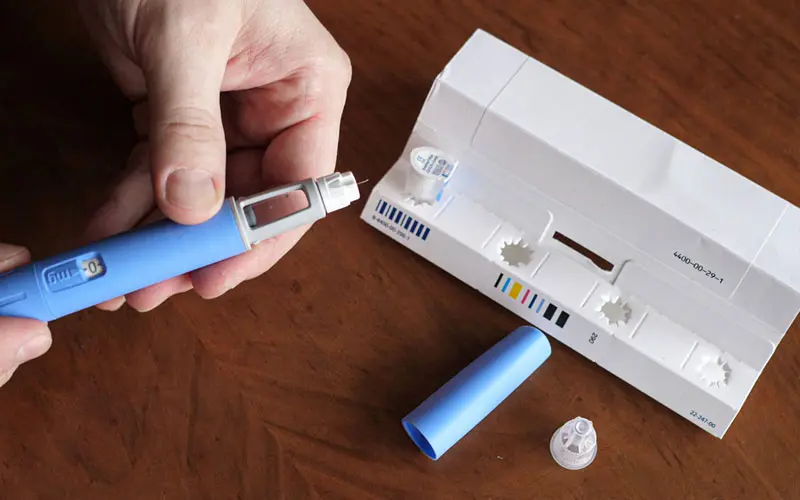
Zepbound and Ozempic get compared constantly because both are weekly injections associated with dramatic weight loss. But the comparison most articles dodge is simple to state: they contain different active ingredients, carry different FDA-approved uses, and route differently through insurance. Those three differences decide which one a clinician can actually prescribe you.
Difference 1: The Ingredient
Ozempic® is semaglutide — a GLP-1 receptor agonist that mimics one gut hormone involved in appetite and blood sugar regulation. Zepbound® is tirzepatide, which the FDA describes as activating receptors for two hormones, GLP-1 and GIP. They are related mechanisms, not the same molecule, and the trial outcomes differ accordingly: semaglutide 2.4 mg averaged 14.9% body-weight reduction at 68 weeks in STEP 1, while tirzepatide reached 15.0% to 20.9% across doses at 72 weeks in SURMOUNT-1. Different trials and populations — so compare cautiously — but the dual-hormone ingredient posted the larger numbers.
Difference 2: The Approved Use
This is the difference with practical teeth. Zepbound is FDA-approved for chronic weight management — in adults with obesity (BMI 30+) or overweight (27+) with a weight-related condition, alongside diet and activity. Ozempic is approved for type 2 diabetes, not weight management; the weight-management approval for semaglutide belongs to Wegovy®, the higher-dose product. When Ozempic is prescribed purely for weight loss, that is off-label prescribing — legal and at a clinician's discretion, but outside the approved indication, which matters for both coverage and the evidence basis at the prescribed dose.
Difference 3: The Access Path
Indication drives insurance. A diabetes diagnosis is the gateway to Ozempic coverage; weight-management coverage runs through Zepbound or Wegovy, and many plans still exclude weight-loss medication entirely. Cash prices for all three run high without coverage, which is why the telehealth market filled with compounded alternatives. If coverage is your deciding variable, the order of operations is: confirm what your plan covers first, then have the medication conversation — not the reverse.
How to Use This Comparison
The honest decision tree: if you have type 2 diabetes, Ozempic is squarely on the table and your endocrinologist or PCP leads. If your goal is weight management without diabetes, Zepbound and Wegovy are the on-label candidates, and the choice between their ingredients is a clinician's call built on your history, tolerability, and coverage. What the comparison should not become is brand-shopping ahead of the medical conversation — the prescriber's eligibility screen comes first regardless of which name brought you here. Our Zepbound program comparison covers the providers that can run that conversation online.
Sources used for medical context
- FDA Zepbound approval announcement for indication, mechanism, and eligibility criteria.
- STEP 1 trial (PMID 33567185) for semaglutide outcomes.
- SURMOUNT-1 summary (ACC) for tirzepatide outcomes.